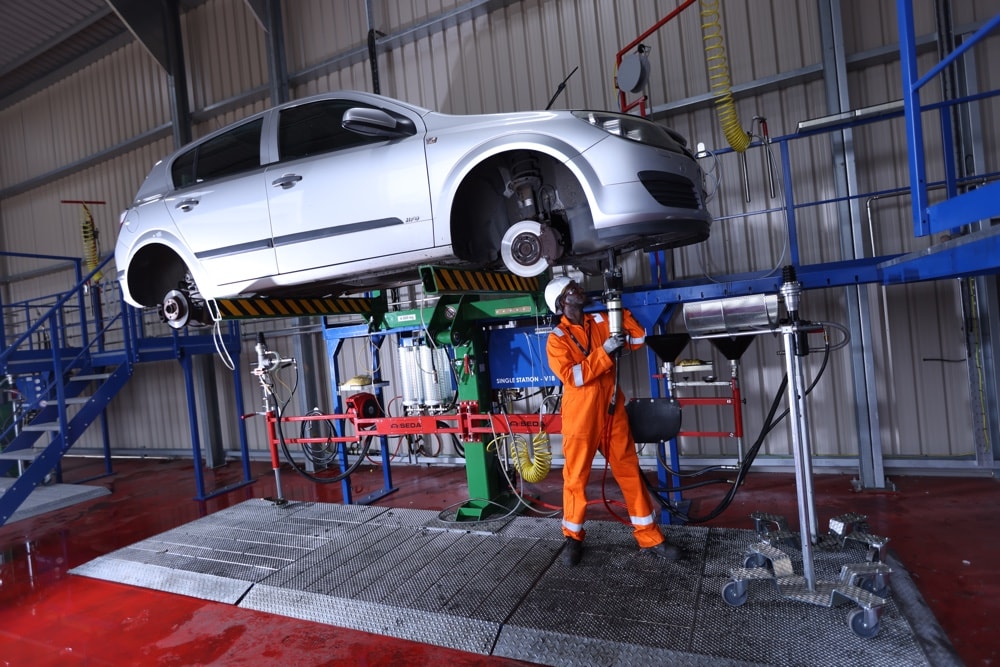
SYDNEY, NSW – July 27, 2026 – A new industry analysis examining vehicle recycling trends during 2026 indicates that the automotive recycling sector continues to adapt to changing vehicle technologies, sustainability priorities, and resource recovery practices. The review highlights how recycling businesses, manufacturers, and industry stakeholders are responding to evolving requirements for managing end-of-life vehicles while supporting the recovery of reusable materials.
According to the analysis, vehicle recycling remains an important part of the automotive supply chain by helping recover materials such as steel, aluminium, copper, glass, and selected plastics from vehicles that have reached the end of their service life. These recovered materials may be reintroduced into manufacturing processes, reducing the demand for newly extracted raw materials and supporting more efficient resource use.
The report also notes that advances in vehicle design are influencing recycling methods. As modern vehicles increasingly incorporate lightweight materials, electronic systems, and hybrid or electric vehicle components, recycling facilities continue to refine their processes to safely dismantle vehicles and recover valuable materials. These developments are encouraging ongoing investment in specialised equipment, workforce training, and environmentally responsible handling procedures.
Another trend identified in the analysis is the growing emphasis on responsible end-of-life vehicle management. Vehicle owners, insurers, repair businesses, and automotive recyclers are placing greater attention on ensuring that retired vehicles are processed through recognised recycling channels. This approach supports the recovery of reusable parts where appropriate while helping minimise unnecessary landfill disposal.
Industry observers also point to increasing collaboration between manufacturers, recyclers, and regulatory bodies to improve recycling standards and encourage greater material recovery. Continued research into battery recycling, component reuse, and sustainable manufacturing practices is expected to influence the direction of the automotive recycling sector in the coming years.
A spokesperson involved in the analysis said the findings demonstrate the industry's ongoing transition toward more efficient resource management.
"Vehicle recycling continues to evolve alongside advances in automotive technology. As vehicles become more sophisticated, recycling processes are also developing to recover materials more effectively while supporting responsible environmental practices," the spokesperson said.
The analysis concludes that vehicle recycling is expected to remain an important component of Australia's broader circular economy. As technology, regulations, and consumer expectations continue to change, industry participants are likely to focus on improving recovery processes, increasing recycling efficiency, and supporting sustainable management of end-of-life vehicles.